Let a Tree See You *
- khilton
- Jul 1
- 4 min read

Solstice Magnificence. Have you ever seen so many blooms on a Catalpa Tree? This is the Northern Catalpa, Catalpa speciosa. Speciosa, meaning 'showy', Pottersville, NJ, June 22, 2026.
The wood is soft, like white pine, light and easy to work with. It does not rot easily. Modern uses highlight the wood's beautiful grain via furniture, interior trim and cabinetry. Catalpa has one of the lowest shrinkage/expansion rates of any U.S. hardwood; only northern white cedar and redwood have lower rates, and not by much. The wood's unique properties make it excellent for carving and boatbuilding.
Often regarded as a weed tree, its wood is under-appreciated and underused and the tree's tendency to grow crooked does not help its reputation as a source of usable lumber.

The two North American species, northern and southern (Catalpa bignonioides), have been widely planted outside their natural ranges as ornamental trees for their showy flowers and attractive shape. Northern and southern catalpas are very similar in appearance, but the northern species has slightly larger leaves, flowers, and bean pods.
Northern catalpa has been extensively cultivated in Ohio for over 200 years and is now naturalized in urban and rural areas. Farmers introduced the rapidly growing northern catalpa to Ohio to produce large amounts of timber for fenceposts. Its use for railroad ties was less successful probably because the wood is soft.
Three liabilities exist in urban areas where it is found as both a shade and an ornamental tree. Northern catalpa rains down fragments of its long fruits and fringed seeds from winter through spring, creating a cleanup chore. In addition, it often gets too big for its allocated space in the landscape and crowds out or casts too much shade on other desirable plants.
The large leaves and dense foliage of Catalpa species provide good shelter from rain and wind, making the trees an attractive habitat for many species of birds. They do not present many threats of falling limbs.
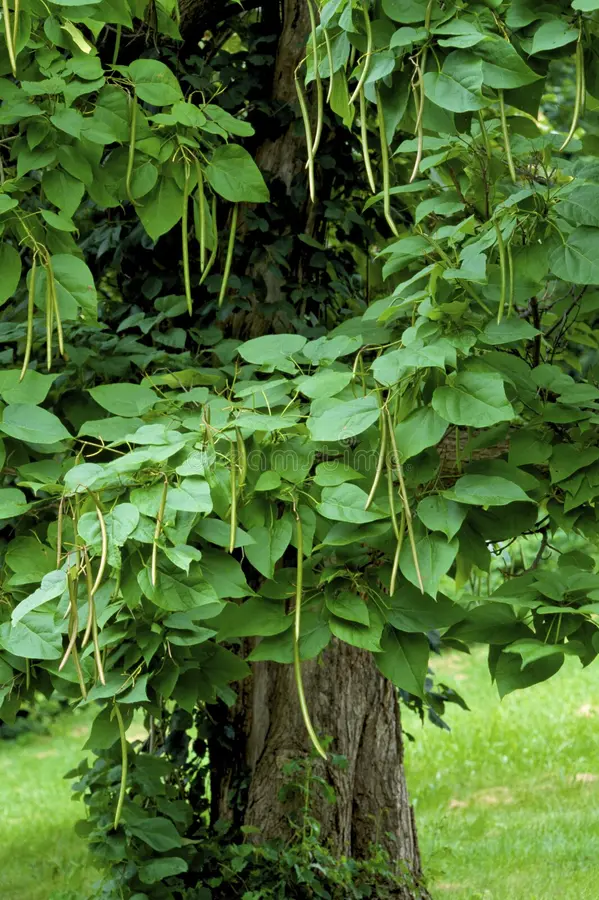
Most catalpas begin flowering after roughly three years and produce fruit after five. The bean pods ripen by late summer into autumn and have earned the nicknames "cigar tree" and "Indian bean tree". The pods are not edible.
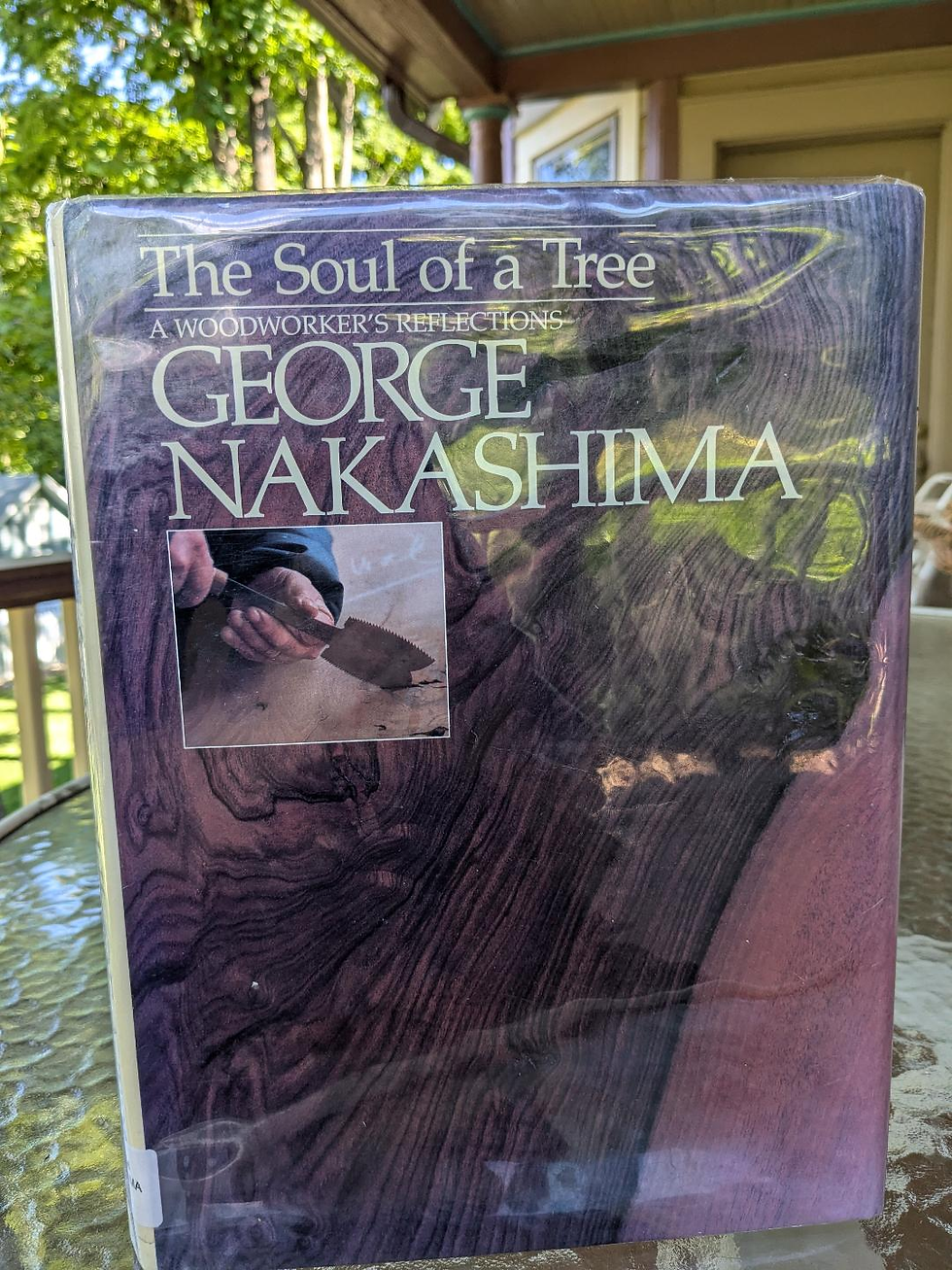
For Applied Botany's tree loving pals, here's an exercise from Asia Suler's remarkable book, "Mirrors in the Earth, reflections on self-healing from the living world", 2022
* Let a Tree See You
This exercise is simple yet powerful. To start, find a tree to sit with. Once settled, speak out loud all of the things you judge yourself for. Tell this tree all the things you've ever done or thought about that bring up shame. As Brene Brown says, shame is alike a gremlin: we must only expose it to the light to loosen its grip on our insides. Tell this tree everything. Say anything that comes to you, then note how you feel now that you've spoken the unspeakable aloud.
You will find there is no judgement here, only acceptance. In the absorbing silence, be open to the ways in which the tree, and the world, might be responding to you. You might notice a particular sensation drifting on the breeze or a sense of grounded immovability within the roots of the tree. That sensation is non-judgement, and it is the very stuff that makes up the lifeforce of this world.
Let the gentle acceptance of the Earth in completely -- cry, sigh, laugh, sing. You are seen and loved unconditionally.
The following was recently shared by an Applied Botany friend. It is welcome here and gives us hope that humans can understand the preciousness of all life, of all beings with which we share our beautiful Earth.
A small Canadian town has officially granted trees the status of living beings with legal rights.
Terrasse-Vaudreuil, located roughly 40 miles west of Montreal, unanimously passed a resolution on June 9 declaring that trees possess “the right to life, natural growth, integrity, and regeneration.” The town is among the first in Canada to endorse the Universal Declaration of the Rights of the Tree.
Mayor Michel Bourdeau credited the initiative in part to filmmaker André Desrocher, whose work helped shift local perspectives on trees from mere scenery to vital living entities. “A tree is like a human being,” Bourdeau told CBC. “It breathes, it lives, it takes in water. It protects us from all sorts of things.”
Facing repeated flooding in recent years, the municipality views trees as critical infrastructure. They cool urban areas, sequester carbon, purify air, support biodiversity, mitigate heat islands, and assist with stormwater management.
The resolution calls for a review of local bylaws to strengthen tree protection and ensure proper replacement when removals occur.
This step reflects the expanding global “rights of nature” movement, which seeks legal personhood for ecosystems, much like corporations already enjoy. A notable precedent in Quebec is the 2021 granting of legal personhood to the Magpie River by a regional government and the Innu Council of Ekuanitshit.
Advocates believe such recognition could reshape development decisions, enhance climate resilience, and transform urban planning. In Terrasse-Vaudreuil, the message is clear: trees are not simply property, they are living systems essential to human communities.
Catalpa characteristics and photos are from Wikipedia except for first photo.

Comments